Alzheimer’s Disease in the Elderly: Symptoms, Causes, Prevention, and Care
Alzheimer's disease is one of the most serious brain disorders affecting older adults around the world. The condition gradually damages memory, thinking ability, behavior, and daily functioning.…

Alzheimer's disease is one of the most serious brain disorders affecting older adults around the world. The condition gradually damages memory, thinking ability, behavior, and daily functioning. Unlike normal aging or occasional forgetfulness, Alzheimer’s disease is a progressive neurological disorder that worsens over time and significantly impacts quality of life.
The effects of Alzheimer’s disease extend beyond the patient. Family members and caregivers often experience emotional stress, anxiety, and exhaustion while caring for loved ones with the condition. As the global elderly population continues to grow, awareness about Alzheimer’s disease has become increasingly important.
Understanding the symptoms, causes, prevention methods, and treatment options can help families recognize the condition early and provide proper care for elderly individuals living with Alzheimer’s disease.
What Is Alzheimer’s Disease?
Alzheimer’s disease is the most common form of dementia among older adults. It occurs when brain cells responsible for memory, communication, and reasoning gradually become damaged and die.
Scientists believe the disease develops due to abnormal protein deposits in the brain. These proteins form plaques and tangles that interrupt communication between brain cells, eventually leading to cognitive decline and memory loss.
Although researchers continue to study the exact causes of Alzheimer’s disease, there is currently no cure that can completely stop or reverse the condition.
Symptoms of Alzheimer’s Disease
The symptoms of Alzheimer’s disease often begin mildly and gradually worsen over time. Early signs are sometimes mistaken for normal aging, which is why many cases are diagnosed later than they should be.
Memory Loss
One of the earliest symptoms is persistent forgetfulness. Elderly individuals may:
Forget names or appointments
Misplace personal belongings
Repeat questions frequently
Forget recent conversations or events
This type of memory loss is more severe than ordinary aging-related forgetfulness.
Difficulty Thinking and Problem-Solving
As Alzheimer’s disease progresses, patients may struggle with:
Making decisions
Managing finances
Following instructions
Understanding time and place
Completing familiar tasks
Many patients also repeat stories or statements multiple times without realizing it.
Personality and Mood Changes
Behavioral and emotional changes are common in people with Alzheimer’s disease. Patients may become:
Easily confused
Irritable or anxious
Depressed
Socially withdrawn
Emotionally unstable
In advanced stages, some individuals may experience paranoia or aggression.
Wandering and Disorientation
People with severe Alzheimer’s disease may wander away from home or become lost even in familiar places. This can place elderly patients at risk of injury or accidents.
Loss of Independence
Eventually, patients may require assistance with daily activities such as dressing, eating, bathing, and mobility. At this stage, professional caregiving support often becomes necessary.
Causes of Alzheimer’s Disease
The exact cause of Alzheimer’s disease remains unknown. However, researchers understand that the disease is linked to the destruction of brain cells and abnormal protein accumulation in the brain.
These protein buildups interfere with the brain’s ability to process and store information. Over time, the affected brain cells stop functioning and die, causing cognitive abilities to decline.
A combination of genetic, environmental, and lifestyle factors may contribute to the development of Alzheimer’s disease.
Risk Factors for Alzheimer’s Disease
Several factors can increase the risk of developing Alzheimer’s disease in older adults.
Aging
Age is the greatest risk factor. Most people diagnosed with Alzheimer’s disease are over 65 years old, and the risk continues to increase with age.
Family History
People with a family history of Alzheimer’s disease may have a higher genetic risk. Certain genes are associated with increased vulnerability, although inheriting these genes does not guarantee the disease will develop.
Head Injuries
Individuals who have experienced brain injuries or mild cognitive impairment may be more likely to develop Alzheimer’s disease later in life.
Unhealthy Lifestyle Habits
Poor lifestyle choices may increase the risk of cognitive decline, including:
Smoking
Excessive alcohol consumption
Lack of physical activity
Poor nutrition
Chronic stress
Insufficient sleep
Limited Mental and Social Activity
Low levels of education, limited social interaction, and lack of mentally stimulating activities may also contribute to an increased risk of Alzheimer’s disease.
How to Prevent Alzheimer’s Disease
Although there is no guaranteed way to prevent Alzheimer’s disease, healthy lifestyle habits may help reduce the risk or delay progression.
Stay Physically Active
Regular exercise supports blood circulation and brain health. Activities such as walking, swimming, yoga, and stretching are beneficial for older adults.
Eat a Healthy Diet
A balanced diet rich in fruits, vegetables, fish, nuts, and whole grains may support cognitive function and overall brain health.
Keep the Brain Active
Reading, solving puzzles, learning new skills, and engaging in conversations can help stimulate the brain and maintain memory function.
Maintain Social Connections
Social interaction helps reduce feelings of isolation and supports emotional well-being in elderly individuals.
Create a Stable Environment
People with Alzheimer’s disease often struggle with sudden environmental changes. Maintaining familiar routines and surroundings can help reduce confusion and stress.
Diagnosis of Alzheimer’s Disease
Doctors diagnose Alzheimer’s disease through a combination of medical evaluations and cognitive testing.
Common diagnostic methods include:
Physical examinations
Memory and thinking assessments
Mental health evaluations
Brain imaging scans
Blood tests to rule out vitamin deficiencies or thyroid disorders
Doctors may also test coordination, balance, and sensory response to better understand the severity of the condition.
Early diagnosis allows patients and families to prepare proper treatment and long-term care plans.
Treatment Options for Alzheimer’s Disease
There is currently no cure for Alzheimer’s disease. However, several treatments may help manage symptoms and improve quality of life.
Doctors may prescribe medications such as:
Cholinesterase inhibitors
Memantine
Anti-anxiety medications
Antidepressants
Medications to manage behavioral symptoms
In addition to medication, supportive care plays a major role in treatment. Maintaining consistent routines and minimizing stress can help patients feel more secure and comfortable.
Caregivers should also receive emotional and practical support, as caring for someone with Alzheimer’s disease can become physically and mentally demanding over time.
Caring for Elderly Individuals With Alzheimer’s Disease
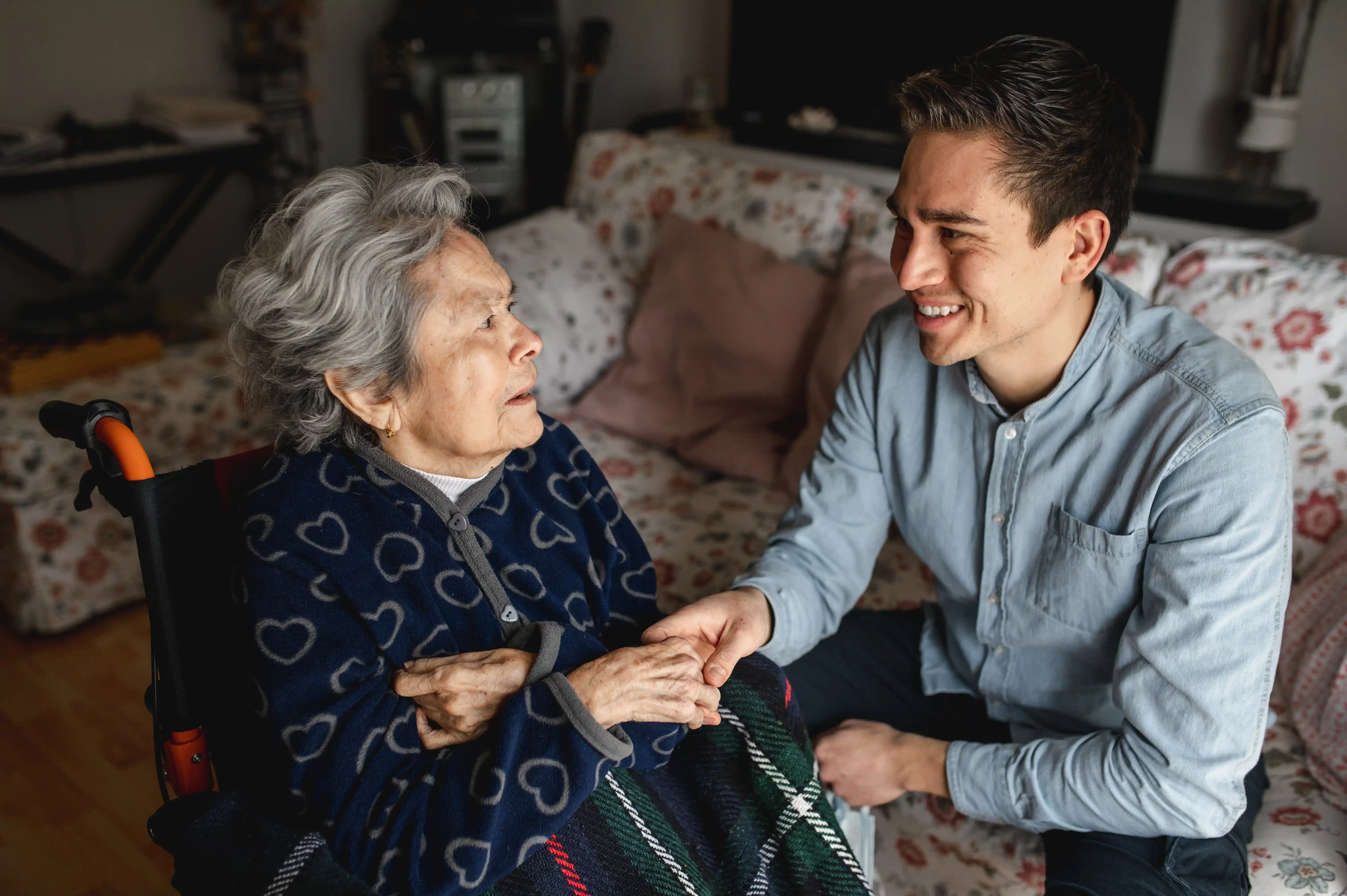
Caring for elderly people with Alzheimer’s disease requires patience, compassion, and continuous support. As the condition progresses, professional care services can greatly improve the quality of life for both patients and their families.
VN Care provides elderly care and support services designed to assist seniors living with Alzheimer’s disease. From daily assistance to emotional support and personalized care, VN Care helps families ensure their loved ones receive compassionate and professional support in a safe and comfortable environment.
Share this article
Questions about this? Call us on 0449 539 084.